24th November, 2026
Do You Need A Ladder? Use Our Free Ladder Safety Flowchart
Not sure whether a ladder is suitable for your job? This practical guide explains the key questions to consider before using a ladder or stepladder, with a free downloadable ladder safety flowchart to help you work through the decision.

Need to work at height and wondering whether a ladder is the right choice?
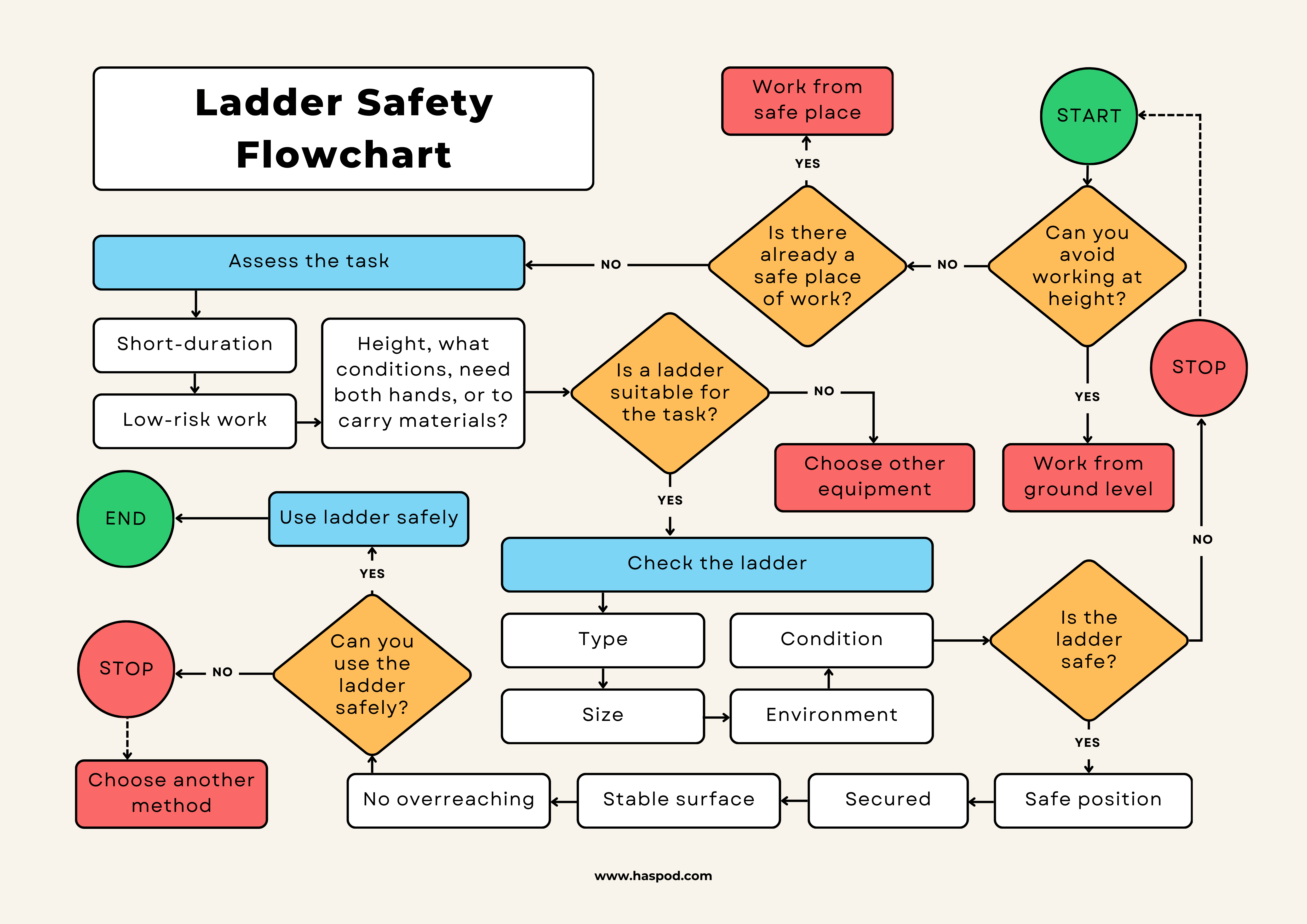
Before reaching for a ladder, there are several things to consider. Can the work be done without working at height? Is there already a safe place of work available? Is a ladder suitable for the task? And can it be positioned and used safely?
We've created a free ladder safety flowchart to help you work through these questions.
🆓 Download the free ladder safety flowchart (PDF format)
You can also watch our short video and follow the flowchart step by step:
Are ladders allowed for work at height?
Yes. Ladders and stepladders are not banned for use at work. However, they should not automatically be the first choice whenever work needs to be carried out at height.
Under the Work at Height Regulations 2005, work at height should be properly planned and carried out using suitable equipment. The regulations set out a hierarchy for work at height that starts with avoiding work at height where reasonably practicable, then preventing falls using suitable equipment or an existing safe place of work.
So the question isn't simply:
"Can I use a ladder?"
It is:
"Is a ladder suitable for this particular task?"
That's the question our flowchart is designed to help you consider.
Step 1: Can the work be done without working at height?
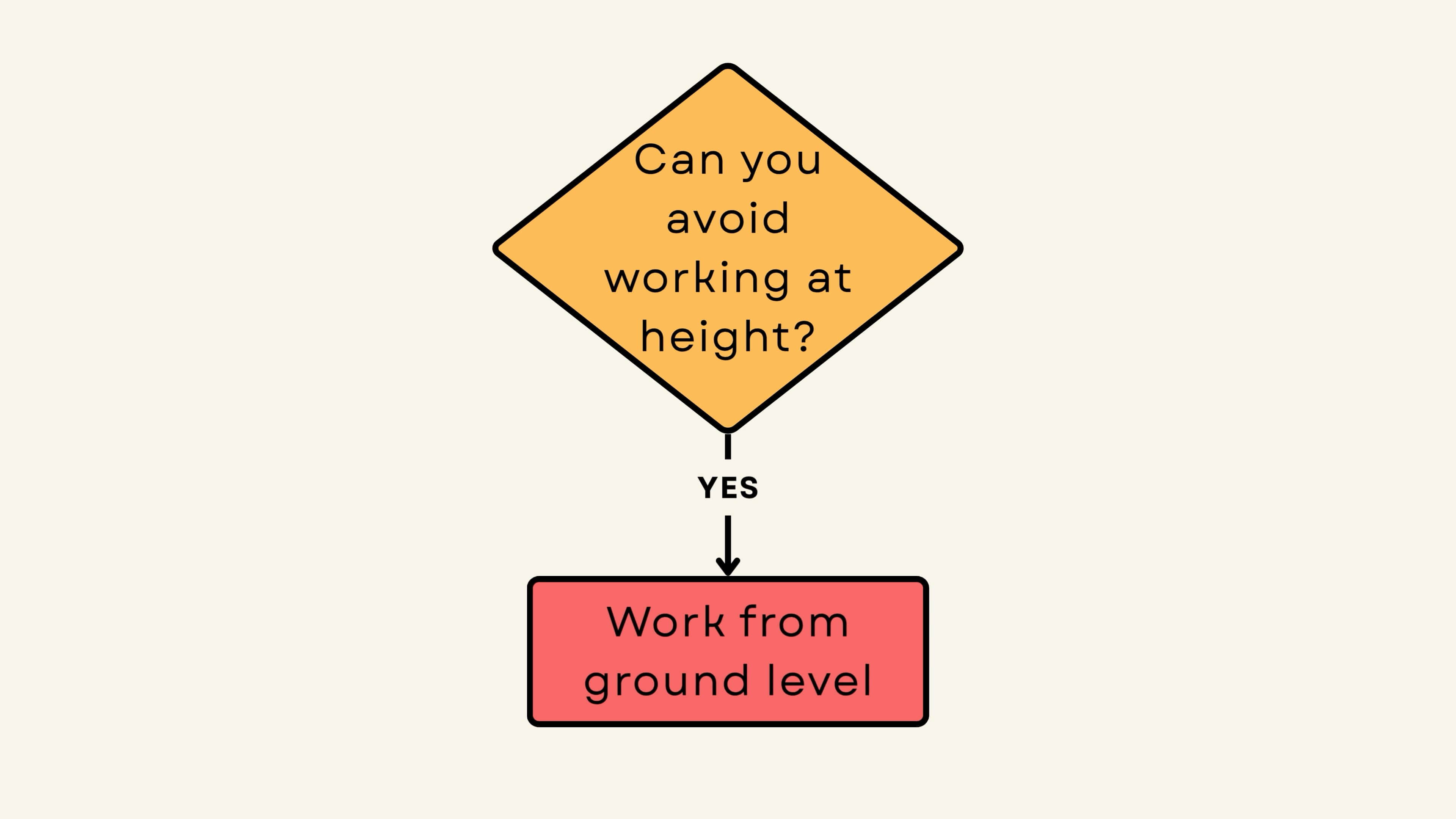
The first thing to consider is whether you need to work at height at all. Could the work be completed from ground level instead?
For example, could you:
- Use equipment that allows the work to be done from the ground?
- Lower or move the item before carrying out the work?
- Change the method of work so that work at height isn't necessary?
If you can avoid work at height, you remove the risk of falling from height, so this option should always be considered before selecting access equipment.
If the work can be completed from the ground, you may not need a ladder at all.
Step 2: Is there already a safe place of work?
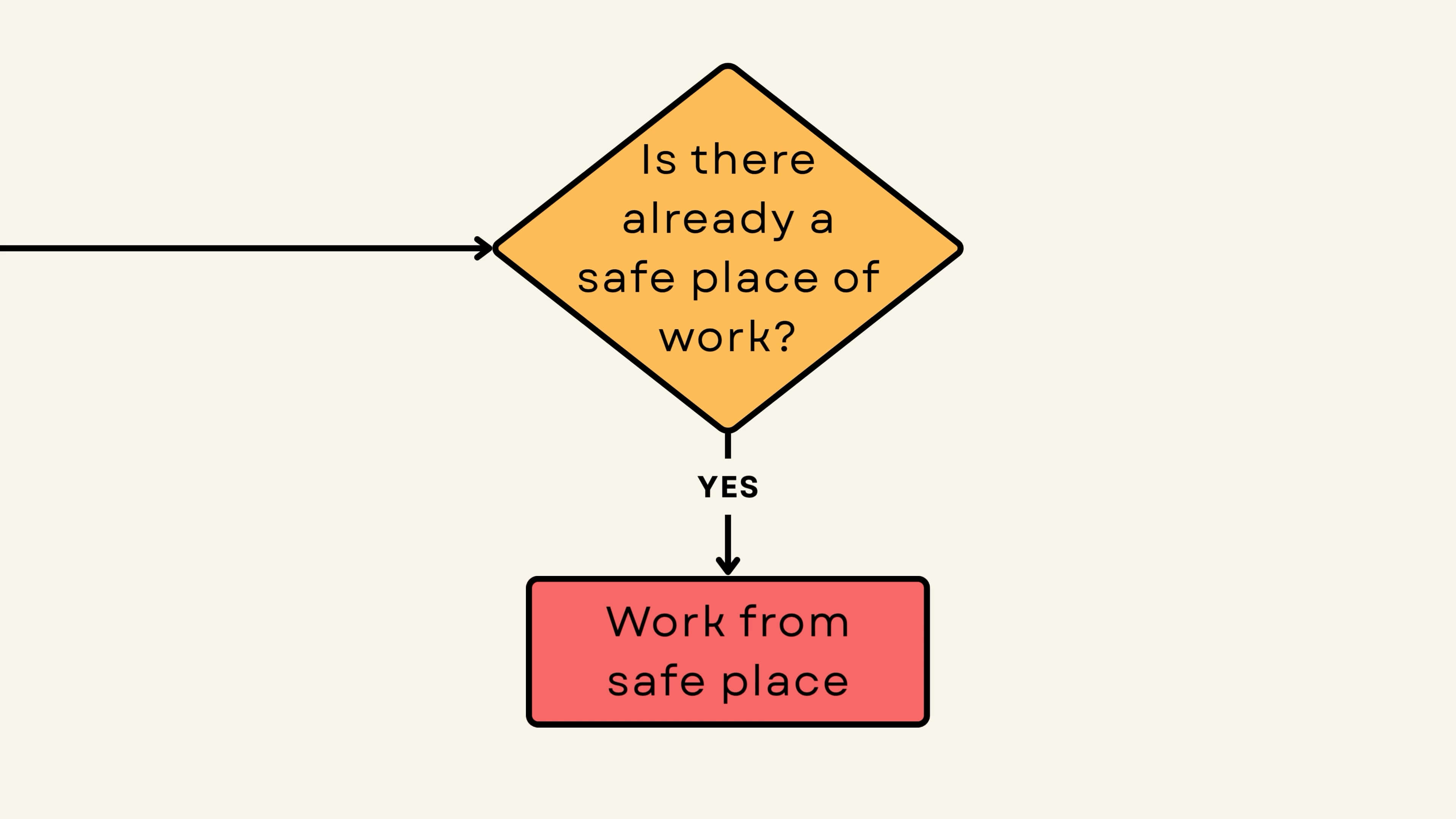
Maybe you can't avoid working at height, but have you considered whether there is already a suitable and safe place where the work can be carried out?
The work at height hierarchy includes using an existing place of work that is already safe where work at height cannot be avoided.
If a suitable safe place of work is available, there may be no reason to introduce a ladder. You can work from that safe place instead.
If there isn't a safe place of work available, then it's time to consider what equipment is appropriate for the task.
Step 3: Is a ladder suitable for the task?
This is the key question.
There's no law against using a ladder. But only when it is suitable (and safe) to do so. A ladder or stepladder may be suitable for some tasks, but you need to consider the circumstances of the work.
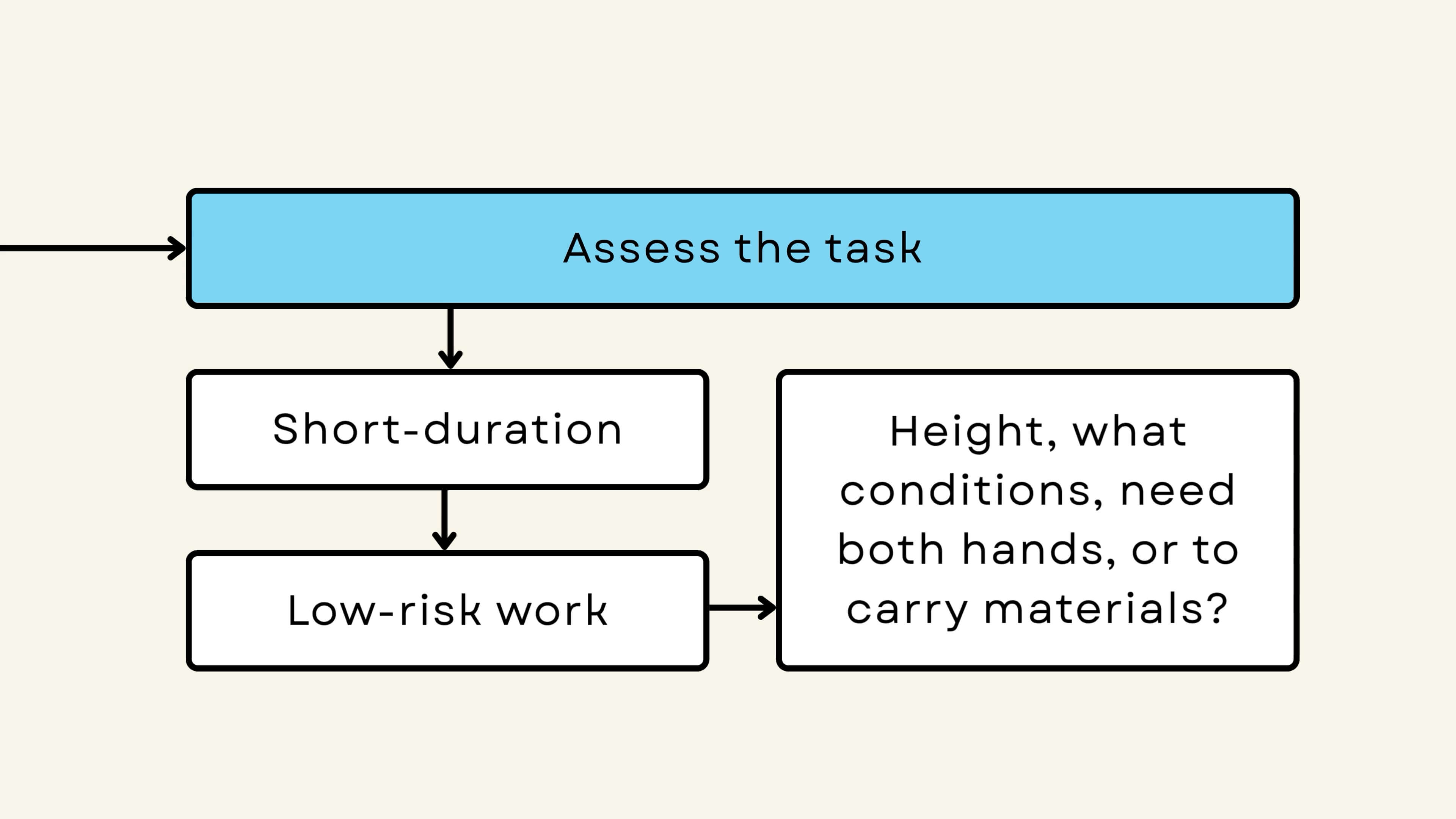
Ask yourself:
What type of work are you doing?
Consider whether the task involves light work or more demanding activities.
If you're carrying materials, using tools that require significant force, or carrying out strenuous work that needs both hands, a ladder may not be the most suitable option.
How long will the work take?
Duration is one factor to consider when deciding whether a ladder is suitable.
However, there isn't a simple ladder safety rule that says a ladder is automatically acceptable because a job will take less than a particular number of minutes. HSE guidance refers to ladders being suitable for certain low-risk, short-duration work, but the decision needs to take the circumstances and risks of the task into account.
Can you maintain a safe position?
Think about whether you can work without excessive reaching, twisting or leaning. You should also consider whether you can maintain a secure handhold and support while working.
If the task requires you to carry bulky or heavy materials, or use equipment that makes maintaining a safe position difficult, consider whether a ladder is really appropriate.
What are the conditions like?
Consider the ground, surrounding area, weather where relevant, nearby traffic or moving equipment, and anything else that could affect stability or create additional risk.
You should only use a ladder for low-risk work, and site conditions should be part of this assessment. If the conditions mean the ladder could slip, overturn, or be struck, then it's not safe to use one.
Find out how to use STEP to improve your ladder risk assessments.
Step 4: Is the ladder suitable?
Even if a ladder is suitable for the task, the particular ladder you're planning to use also needs to be suitable.
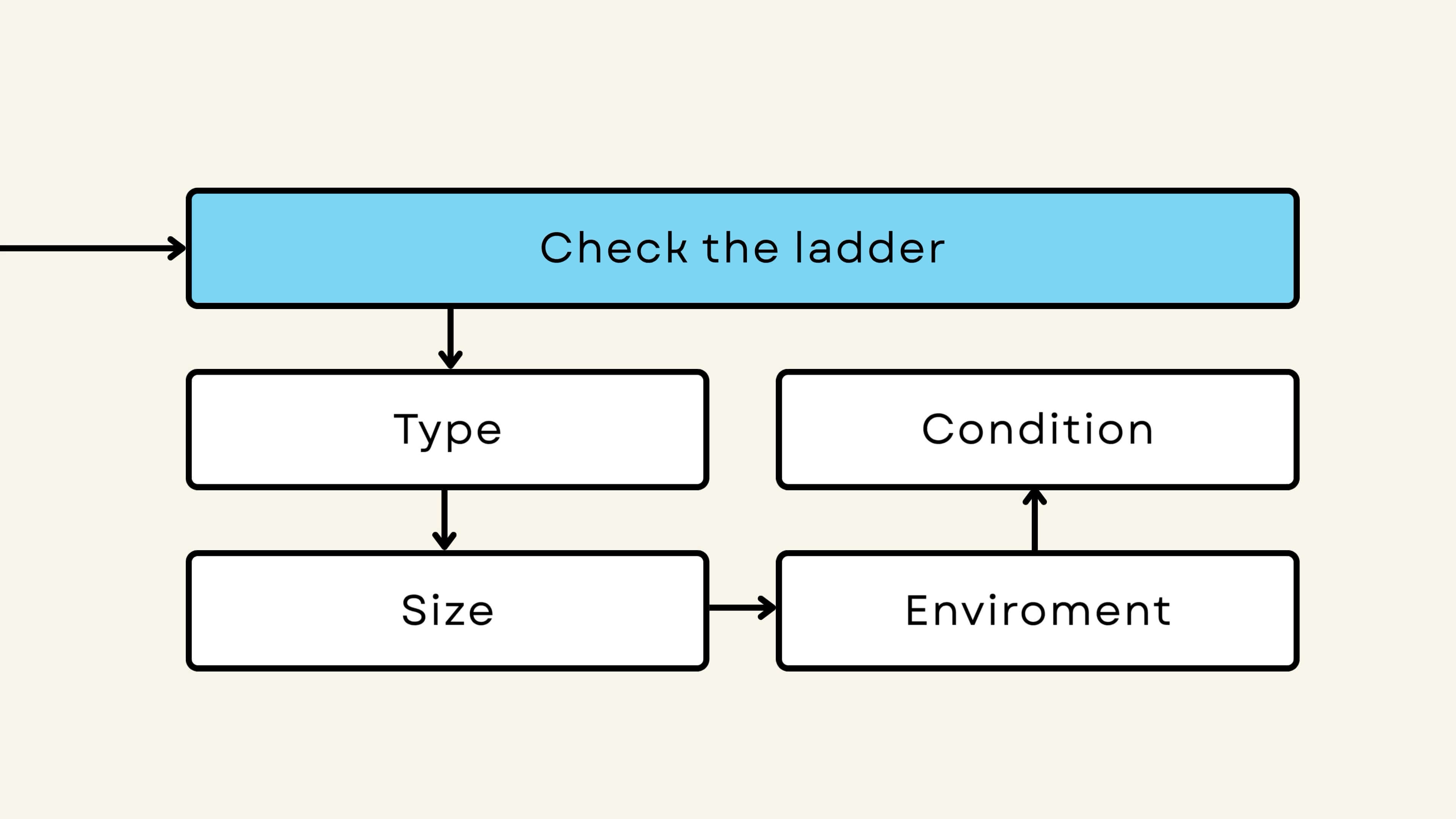
Check that:
- It is the correct type for the task.
- It is long enough for what you need to do.
- It is in good condition.
- It is suitable for the environment.
- It is strong enough for the intended use.
- It can be positioned securely.
- It can be used in accordance with the manufacturer's instructions.
Don't use a ladder that is damaged or dangerous. Your ladder needs to be suitable, stable, strong enough for the job, properly maintained, and regularly checked.
Step 5: Can the ladder be positioned and used safely?
Now you know that a ladder is suitable for the task, and the ladder you want to use is safe, but before starting work, consider whether the ladder can be used safely in the location.
This involves looking at the actual position you will place the ladder. The ladder should be positioned on a suitable, stable surface and arranged so that it remains stable during use.
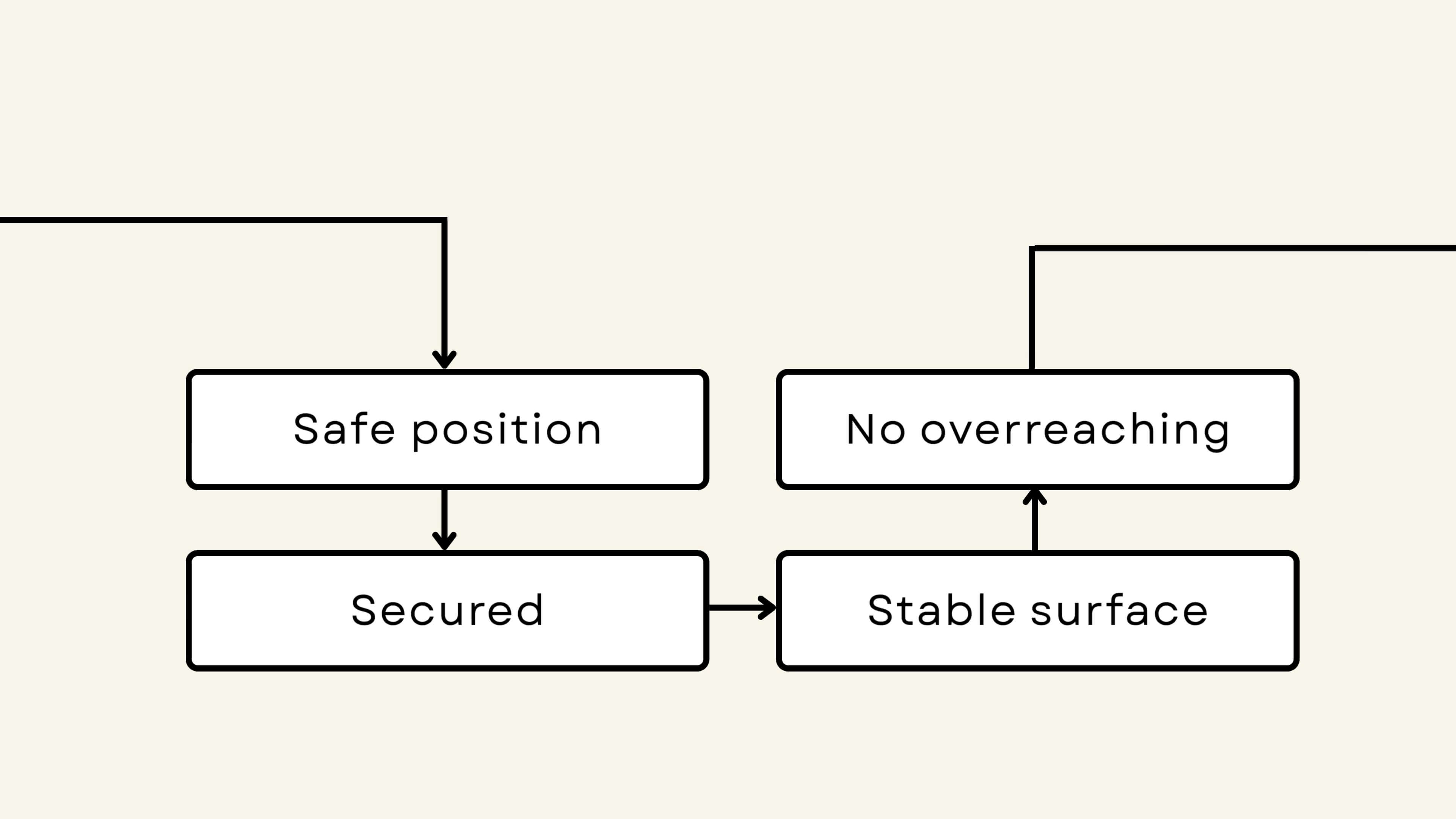
You should also consider the surrounding area. For example, could someone knock the ladder, could a door open into it, or could nearby activity create an additional risk?
Where necessary, the ladder should be secured or otherwise stabilised using an effective method. And importantly, it needs to be positioned safely close enough to the task so that you don't need to overreach to do the work.
So, do you need a ladder?
The answer depends on the task and the circumstances.
A ladder may be a suitable option for some work at height, but it shouldn't simply be the default choice because it is convenient or readily available.
Before using one, consider:
** Can I avoid working at height? ↓ Is there already a safe place of work? ↓ Is a ladder suitable for this particular task? ↓ Is the ladder suitable and in good condition? ↓ Can it be positioned and used safely? **
If the answer to these questions supports the use of a ladder, it may be an appropriate choice. If not, you should consider a more suitable method of carrying out the work.
Download the Free Ladder Safety Flowchart
Not sure whether a ladder is suitable for your task?
We've created a free one-page ladder safety flowchart to help you work through the key questions before using a ladder.
🆓 Download the free ladder safety flowchart (PDF format)
You can print it, save it for reference or use it as a practical prompt when planning work.
Please remember: this flowchart is a general practical aid. It does not replace a suitable risk assessment, your employer's arrangements, a safe system of work, competent advice, or the manufacturer's instructions.
Watch the Video
Prefer to follow the flowchart visually?
Watch our short video to take you through the decision process step by step.
Ready to improve your ladder safety knowledge? Take our ladder safety course to learn more about the risks of working with ladders and stepladders, how to use them safely, and the precautions to consider before starting work. Start the ladder safety course today and build your confidence in working safely at height.


This article was written by Emma at HASpod. Emma has over 10 years experience in health and safety and BSc (Hons) Construction Management. She is NEBOSH qualified and Tech IOSH.
Need health and safety documents?
Search hundreds of health and safety documents ready to edit and download for your construction projects.
Find DocumentsRecent posts like this...
Do You Need A Ladder? Use Our Free Ladder Safety Flowchart
Not sure whether a ladder is suitable for your job? This practical guide explains the key questions to consider before using a ladder or stepladder, with a free downloadable ladder safety flowchart to help you work through the decision.
Read Post
40+ Daily Scaffolding Safety Checks And Common Faults
There are many different elements of a scaffold to check and maintain for safety. In this blog post, we will look at a checklist of over 40 scaffolding faults you should look out for. We will also discuss why (and when) you need to check scaffolds and their components to keep them safe and secure.
Read Post
Scaffold Handrail, Guardrail And Toeboard Height In Construction
Safe platforms for working at height require edge protection like handrails, guardrails and toeboards to prevent falls of people and equipment. But when do you need handrails, and what are the minimum and maximum heights for these barriers?
Read Post