2nd June, 2026
What Is Manual Handling?
Manual handling happens when you use your hands or your body to move or support a load. In this blog post, we will look at manual handling at work, manual handling activities, the legal requirements, and how to carry out manual handling safely.

Manual handling refers to the use of your hands or body to move or support a load.
When you move, carry, lift, support, push or pull something with your hands or body, you are manual handling. If you carry a book, a box, a tool, or materials, you are doing manual handling.
Manual handling includes:
- 👆 Lifting
- 🫸 Pushing
- 🫳 Pulling
- 👇 Putting Down
- 🤲 Carrying
- 👉 Moving
Picking up and carrying any object is manual handling.

A load might be a box, a pallet truck, a package, tools, equipment, or materials. But it could also be an animal or another person.
Manual handling means transporting or supporting a load by hand or bodily force.
Manual handling happens all the time at work. It happens a lot outside of work, too! You can probably think of some manual handling activities you have done already today.
Manual handling examples
Manual handling activities are carried out in every workplace, including offices, construction sites, warehouses, schools, shops, hospitals and factories.

Examples of manual handling include:
- 📦 Lifting a box
- 🛒 Pushing a trolley
- 🪢 Pulling a rope
- 🪣 Putting down a bucket
- 🎒 Carrying a bag
- Moving the ground with a spade
When people do manual handling at work, they should be aware of the risks involved and how to carry out manual handling safely, including the use of mechanical aids (like conveyors, pallet trucks, chutes, and hoists) where needed.
Manual handling and musculoskeletal disorders
For something so common, it might surprise you to know that manual handling is responsible for over 30% of injuries at work.
The term musculoskeletal disorder refers to any injury, damage, or disorder of the joints or other tissues in the upper or lower limbs or the back. Manual handling is the leading cause of musculoskeletal disorders at work, which accounts for over a third of all work-related illnesses.

Common areas for manual handling injuries include:
- Lower back
- Shoulders
- Forearms
- Wrists
- Hands
- Neck
- Hips
- Legs
- Knees
- Ankles
- Feet
Manual handling causes over a third of all workplace injuries. These include work-related musculoskeletal disorders (MSDs) such as pain and injuries to arms, legs and joints, and repetitive strain injuries of various sorts.
Various injuries can occur when carrying out a manual handling task, including trapping, crushing, cutting and musculoskeletal disorders.
It's not just how heavy something is that can cause injury.
While manual handling in itself may not be seen as a high-risk activity, manual handling injuries are the cause of pain and suffering for half a million UK workers.
Risk factors include the weight of the item, the number of times you have to pick up or carry an item, the distance you are going to be carrying it, where you are picking it up from or putting it down (such as picking it up from the floor and putting it on a shelf above shoulder level), and any twisting, bending, stretching or other awkward postures you may experience while performing the task.
Raise awareness in your workplace with the free manual handling toolbox talk download. 🆓
To avoid injury, it's important to know how much you can safely lift and to use good manual handling techniques.
Manual handling regulations
Manual handling is an important activity to be aware of at work, because it even has its own set of health and safety regulations. The Manual Handling Operations Regulations (MHOR) cover the legal requirements of manual handling at work.
Create a manual handling policy for procedures surrounding manual handling at work.
The health and safety responsibilities of employers under the Manual Handling Operations Regulations include:
- Avoiding the need for manual handling wherever possible
- Assessing the risk
- Reducing the need by providing mechanical aids
- Training staff in good manual handling techniques

Employees also have health and safety responsibilities under the Manual Handling Operations Regulations. You should make full and proper use of anything provided by your employer in connection with manual handling. This includes following any advice and training given on lifting and carrying.
Eliminate manual handling
Remember the first responsibility under the Manual Handling Operations Regulations?
(a) so far as is reasonably practicable, avoid the need for his employees to undertake any manual handling operations at work which involve a risk of their being injured;
The best way to reduce risk is to avoid it. So reduce the risks from manual handling by, where possible, removing the need for manual handling activities. Particularly more risky manual handling involving heavy or hazardous loads, or awkward postures.
This could be achieved through installing permanent lifting equipment or delivering loads to the point of use.
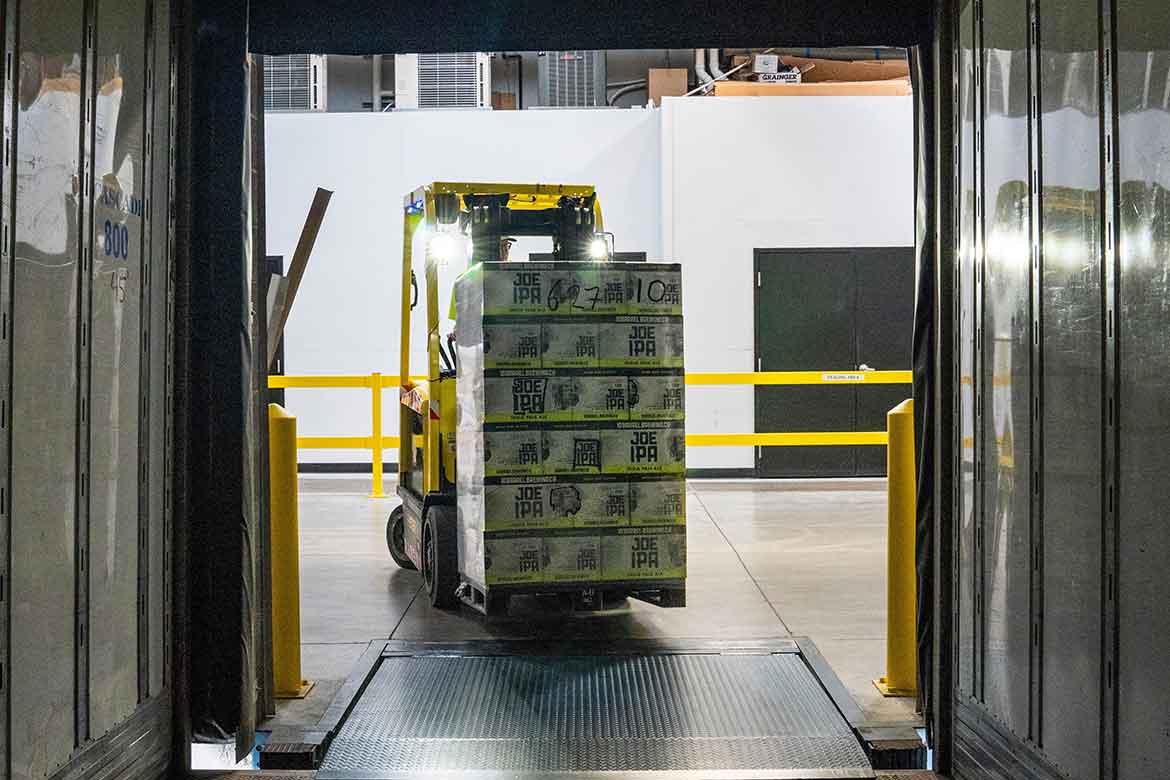
Eliminate manual handling:
- Plan work to reduce the need to move items
- Deliver things close to where they are needed
- Automate or use mechanical aids to move things
Manual handling risk assessment
Like any workplace activity, the law requires a risk assessment to reduce the risk to an acceptable level. And as we have discovered, plenty of people are injured every year doing manual handling.
Use the manual handling risk assessment template to get started.
But it's often not possible or practical to eliminate all manual handling. But you can (and should) reduce the risks. This could be through lighter and smaller loads, handholds for better grip, less distance, mechanical aids, better layout, and regular rest breaks.
So before you start manual handling, you need to think about the:
- Task
- Individual
- Load
- Environment
These elements are also known as TILE (or LITE), and are the four key manual handling considerations.
Manual handling safely
To avoid injury, it's important to know how much you can safely lift and to use a good lifting technique.
If manual handling can't be avoided, using good manual handling techniques will reduce the risk of injury because it:
- Creates a stable position
- Protects your back
- Uses your strong leg muscles to lift
- Makes the load easier to carry
Good lifting technique uses the strong muscles and bones of your legs, rather than the complex and vulnerable muscles and bones in your back, which are more prone to manual handling injuries.
Practice correct lifting techniques even with light loads to avoid forming bad habits.
Make sure the load doesn't block your forward view, and plan your route to check it is clear of hazards and obstacles before you start.
Take the online manual handling health and safety course today to learn more about assessing manual handling risks in your workplace.


This article was written by Emma at HASpod. Emma has over 10 years experience in health and safety and BSc (Hons) Construction Management. She is NEBOSH qualified and Tech IOSH.
Can you handle this?
Take our manual handling elearning course and get your certificate today.
Course InfoRecent posts like this...

10 Manual Handling Questions And Answers Explained
In this blog post, we will put your manual handling knowledge to the test with a quick quiz. There are 10 manual handling questions, and the answers are revealed at the end. If you want to test your team, you can download a free PDF.
Read Post What Is Manual Handling?
Manual handling happens when you use your hands or your body to move or support a load. In this blog post, we will look at manual handling at work, manual handling activities, the legal requirements, and how to carry out manual handling safely.
Read Post How To Correct Your Manual Handling Technique
Manual handling is simple, right? Lifting and carrying are things we do all the time, so how can it go wrong? Since manual handling injuries account for around a third of workplace injuries, maybe it's not as simple as it sounds! Here are nine simple ways to correct your manual handling technique.
Read Post