Blog
Management

15th September, 2026 - Management
What Does LOLER Stand For?
In health and safety, LOLER stands for the Lifting Operations and Lifting Equipment Regulations. This is a set of legal requirements surrounding lifting operations and the equipment used to carry them out. These regulations are often referred to as LOLER for short. But what is LOLER?
Read Post
12th August, 2026 - Management
The A-Z Of Health And Safety Acronyms And Abbreviations
In health and safety, every other sentence seems to contain an acronym or abbreviation. Some words and phrases are just easier to remember if you shorten them down to a few letters. But if you're lost in the lingo when asked for your RAMS on the ACMs required in the CDM CPP, this guide will help.
Read Post
29th July, 2026 - Management
'So Far As Is Reasonably Practicable' Meaning Explained For Health And Safety
So far as is reasonably practicable is a term that comes up a lot in health and safety. But what does it mean? How do you decide if something is reasonably practicable? And how does the law define it? Let's look in detail at the health and safety phrase 'So far as is reasonably practicable'.
Read Post
23rd July, 2026 - Management
5 Examples Of How Near Miss Reporting Can Stop Accidents
Near-miss reporting might not be a legal requirement, but reporting the accidents and incidents that follow will be. So it makes sense to get near-miss reporting in place, because near-miss reporting can help prevent future accidents before they happen. Here are 5 examples.
Read Post
17th June, 2026 - Management
Health And Safety: The Principles Of Prevention
The principles of prevention are a series of rules, in order, that form a best practice approach to risk management. The principles go from most effective to least effective. The most effective option is to avoid risk. When you can't avoid risk, the other principles of prevention should be applied.
Read Post 30th April, 2026 - Management
Proactive Vs Reactive Health And Safety Management
Is your health and safety management more proactive or reactive? Which one you focus on could have a big impact on your safety culture and your bottom line. But what's the difference between proactive and reactive safety? Should you use one, the other, or both? Let's take a look!
Read Post
28th April, 2026 - Management
RIDDOR Explained - Quick Facts And Simple Stats
What is RIDDOR? Find out with these quick facts and simple stats. We'll explain what RIDDOR is, what you need to do, and when you need to do it. RIDDOR applies to every workplace in the UK, so it's a legal requirement to understand the rules, what you need to report, and when.
Read Post
2nd April, 2026 - Management
The Power Of Good Habits In Health And Safety (And Life)
What are habits? Actions we often take, things we repeat, steps we take without thinking. Good habits help us grow. Small regular acts add up to massive changes in long-term results. And we can use this power to achieve things at home, at work, and even in health and safety.
Read Post
31st March, 2026 - Management
10 Health & Safety Myths And The Truth Behind Them
Health and safety sometimes gets a bad name. It seems that more and more stringent rules are being put in place each year. But is this the truth, or are these health and safety myths? In this blog post, we take a look at some health and safety headlines and attempt to separate fact from fiction.
Read Post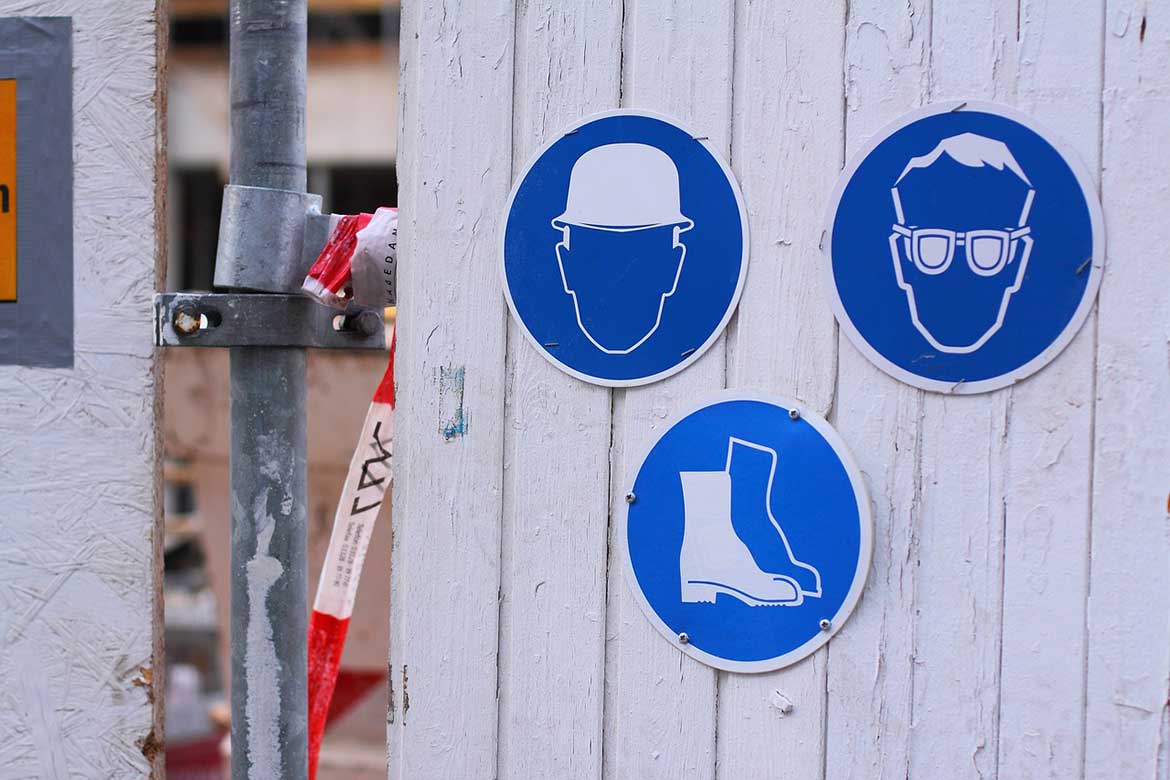
25th February, 2026 - Management
50 Reasons Why You Should Wear And Use PPE
If you have ever struggled to get your team to wear and use their PPE correctly, or you are not sure why you need to wear PPE yourself, here are 50 reasons why you should wear and use PPE. After reading these 50 reasons, why wouldn't you wear PPE?
Read Post
17th February, 2026 - Management
15 Quick Ways To Reduce The Risk Of Slips, Trips And Falls
Slips, trips and falls are huge contributors to the number of workplace injuries each year. The great news is that you can reduce slips, trips and falls relatively quickly, and all of the suggestions in this post can be put in place on a budget. Here are 15 quick and cheap ways to reduce the risk.
Read Post
16th December, 2025 - Management
Is Health And Safety Training A Legal Requirement?
For all business types, health and safety training will be a legal requirement in one form or another. Your team might need external training courses, qualifications, and certificates. Staff may need in-house inductions, on-the-job training, and toolbox talks. Often, a mixture of both is required.
Read Post- ← Previous
- 1 (current)
- Next →