11th March, 2026
The 3 Elements Of The Fire Triangle Explained
Did you know that fires need three elements to burn? Heat, fuel, and oxygen are the key ingredients needed to start and maintain a fire. In this blog post, we will find out more about each element and take a look at some examples.
Fires kill hundreds of people, and thousands more are injured in fires every year in the UK. Fire can cause injury, death and damage to property. However, fires can be avoided by keeping three things apart.
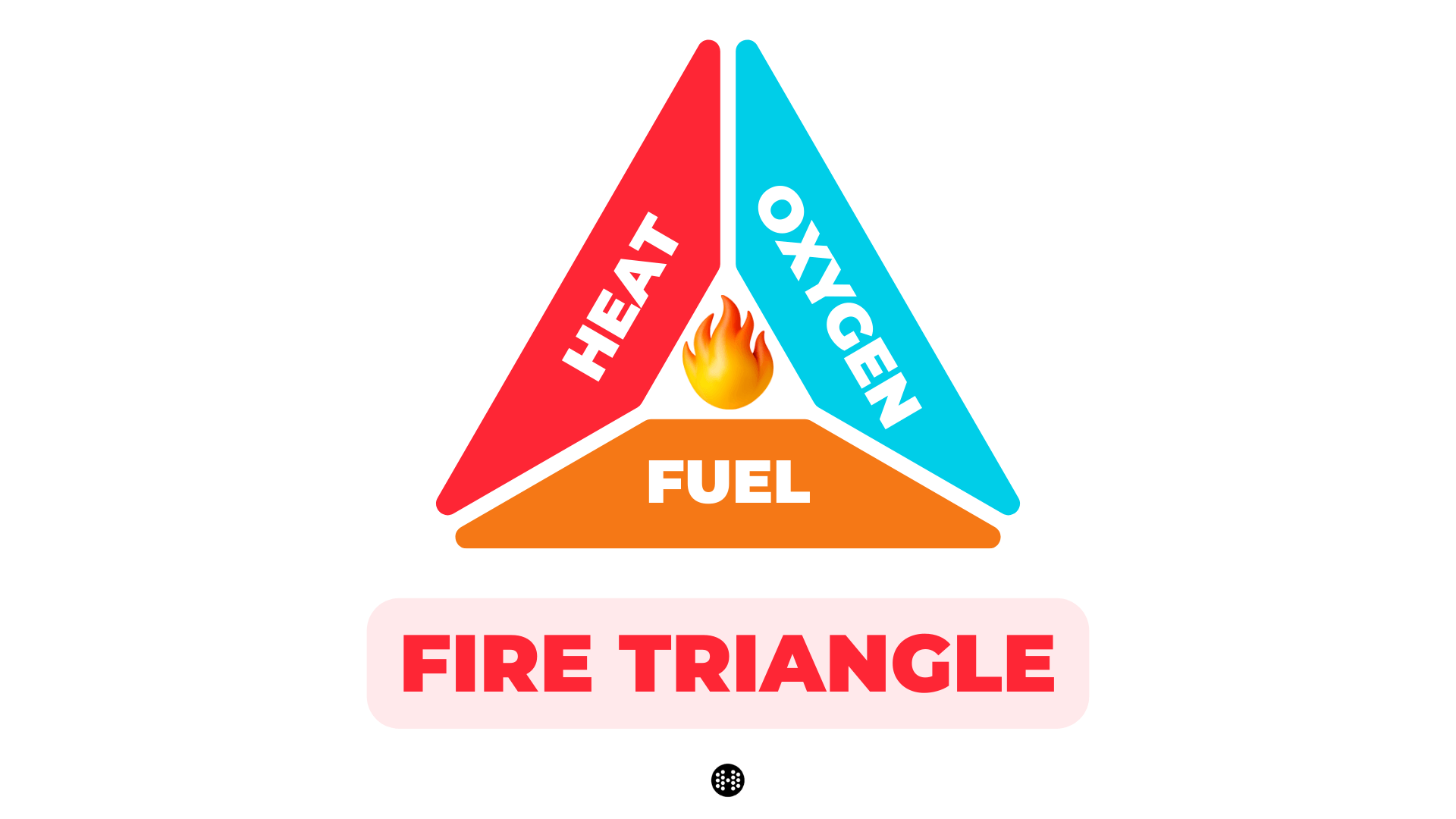
And these three elements are known as the fire triangle:
- Heat
- Fuel
- Oxygen
Fires need all three elements of the fire triangle to start, to spread, and to continue to burn.
- Heat is a source of ignition, e.g. a flame or faulty electrical equipment.
- Fuel is something that will burn, like furnishings, materials, or packaging.
- Oxygen is found in the atmosphere through natural airflow or ventilation systems.
Without heat, a fire is extinguished through cooling. Without fuel, a fire is starved. Without oxygen, a fire is smothered.
Imagine lighting a match. The friction creates heat to light the match. The matchstick is the fuel for the fire. And there is oxygen in the air. You have all three elements of the fire triangle.
But we can put the fire out by removing any element of the fire triangle.
If we remove the heat by putting the flame on water, the fire is cooled and goes out. If we remove the fuel by letting the match burn to the end without introducing another fuel source, it goes out. If we remove access to oxygen by putting the match inside a jar, it goes out.
All three elements of the fire triangle must be present for a fire to start and continue burning.
Fire prevention involves taking steps to avoid these three elements coming together to reduce the chances of a fire occurring.
It might sound easy, but since sources of heat, fuel, and oxygen are found in every business, let's take a look at each element so you can identify the fire hazards in your workplace.
Heat
The first element of the fire triangle is heat. All fires need a heat source to start.
Heat raises fuel to its ignition temperature, and is the energy source responsible for the initial ignition of fire. Heat is also needed to maintain the fire and permit it to spread.
If you remove a heat source before a fire starts, you can prevent the fire from igniting. Once a fire has started, you can use a water fire extinguisher to cool down and stop the fire.
Sources of heat might come from your work processes, like hot work, or from the environment, like sunlight.
You might also refer to these examples as an ignition source, because heat ignites a fire.
Heat examples
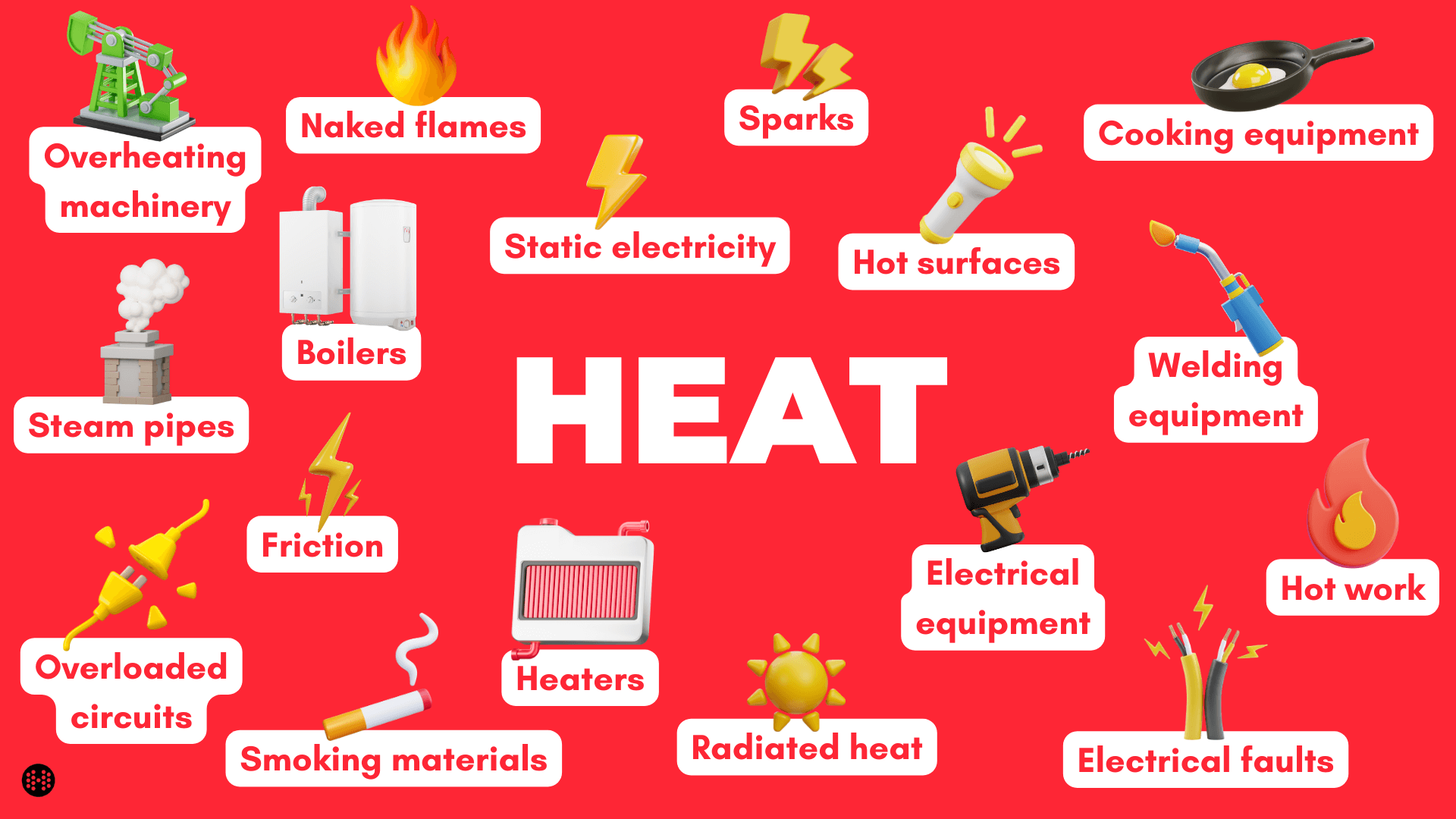
Sources of heat/ignition include:
- Overheating machinery
- Naked flames
- Static electricity
- Sparks
- Hot surfaces
- Cooking equipment
- Steam pipes
- Boilers
- Welding equipment
- Overloaded circuits
- Friction
- Smoking materials
- Heaters
- Radiated heat
- Electrical equipment
- Electrical faults
- Hot work
Fuel
The next element of the fire triangle is fuel. Fuel is what the fire needs to burn for a fire to start and to maintain the fire.
Without fuel, there is nothing to burn, so a fire can't grow or spread.
Fuel could be combustible materials, oils, flammable liquids, or gases. It could be furniture, fixtures and fittings, or even the structure of the building.
If you remove the fuel from the fire, you can put it out. For example, if gas is burning, and you shut off the gas supply, the fire can't continue to burn without a fuel source.
Removing the fuel, reducing the fuel available, and separating the fuel from heat sources are all ways to minimise fire risk.
Fuel examples
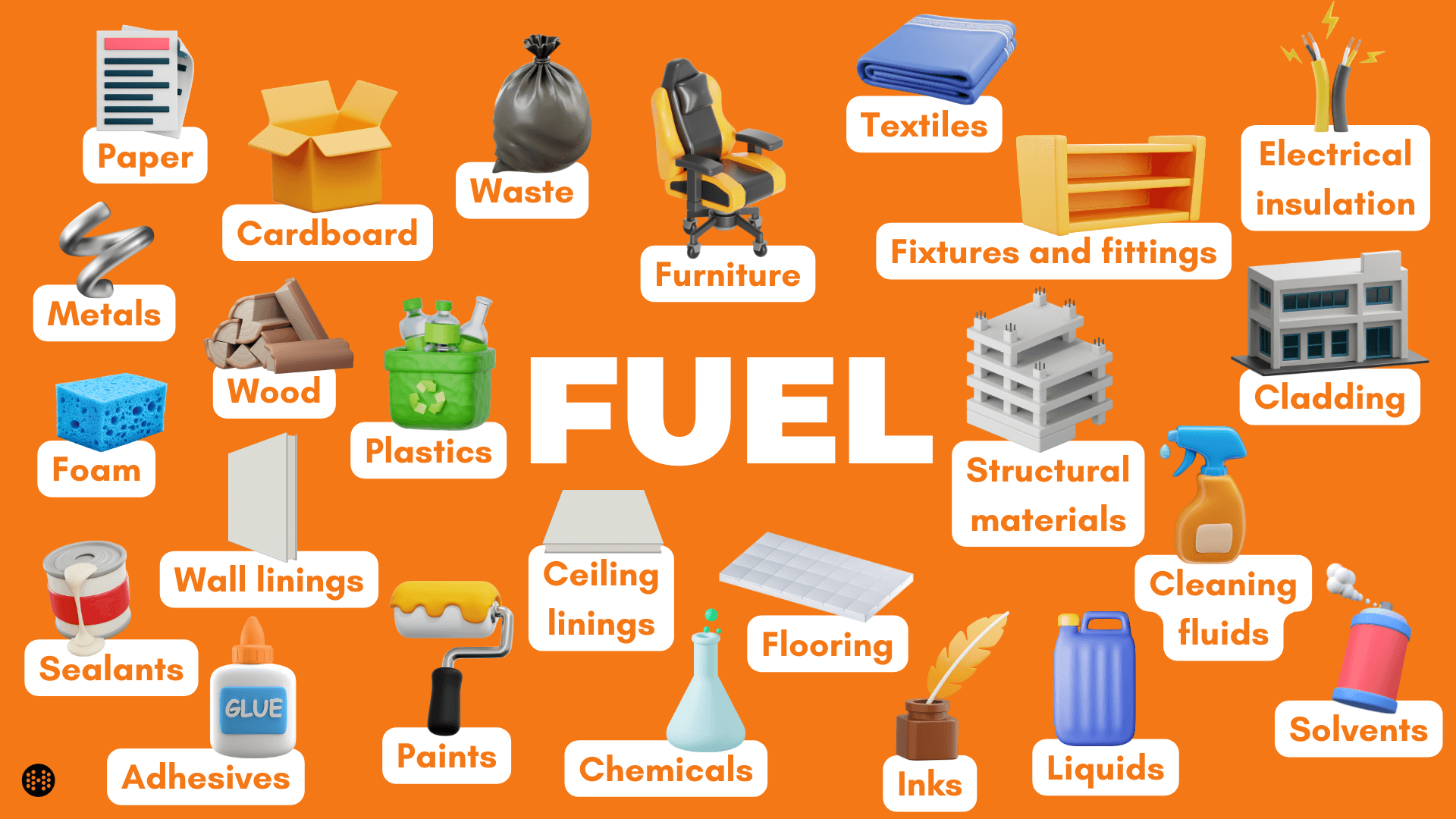
Examples of fuel sources include:
- Paper
- Cardboard
- Waste
- Furniture
- Textiles
- Fixtures and fittings
- Electrical insulation
- Metals
- Wood
- Plastics
- Foam
- Wall linings
- Ceiling linings
- Flooring
- Structural materials
- Cladding
- Sealants
- Adhesives
- Paints
- Chemicals
- Inks
- Liquids
- Cleaning fluids
- Solvents
Oxygen
The final element of the fire triangle is oxygen.
Like us, fires need oxygen to survive, and because it's readily available, oxygen is the hardest type of fire hazard to control.
It's much easier to stop a fire by removing heat sources or reducing the fuel available than it is to remove the oxygen that we need to breathe.
But some work processes introduce oxygen enrichment, for example, oxygen used in cutting and welding, oxygen systems, oxygen cylinders, and liquid oxygen. Increased oxygen means that a fire can start more quickly, spread faster and burn hotter when compared to fires burning with normal oxygen levels in fresh air.
You should be extra careful when there is an increased oxygen supply or oxidising agents, because it lowers the ignition temperature and creates a more vigorous combustion reaction.
Removing oxygen, for example, with a carbon dioxide fire extinguisher, can smother a fire to put it out.
Oxygen examples
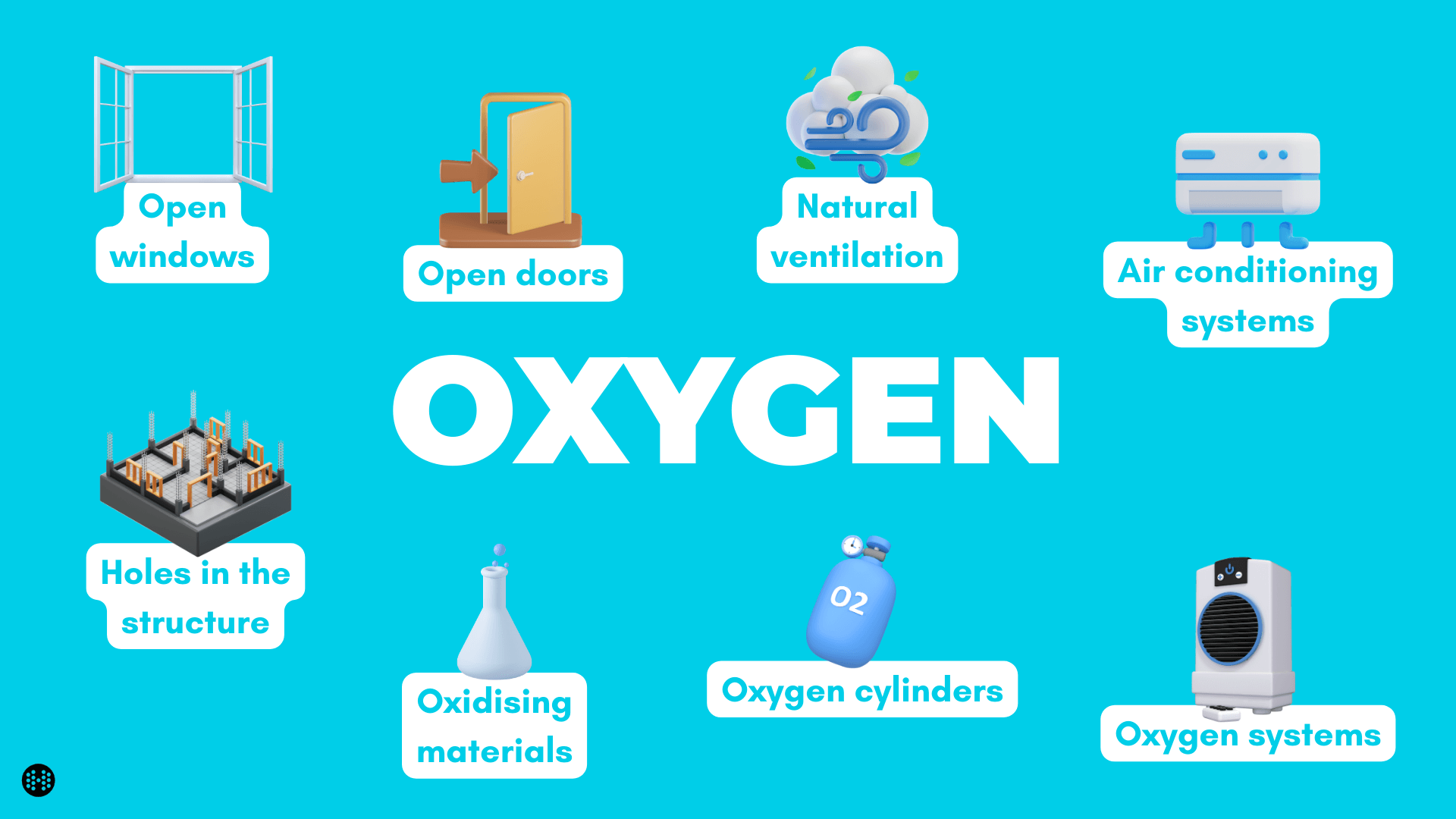
Examples of oxygen sources include:
- Open windows
- Open doors
- Natural ventilation
- Air conditioning systems
- Holes in the structure
- Leaking pipes
- Oxidising materials
- Oxygen cylinders
- Oxygen systems
To prevent fires, you need to keep the three elements of the fire triangle apart. Anywhere that all three elements come together, a fire will start.
Within your workplace, identify fire hazards from each source:
- Heat
- Fuel
- Oxygen
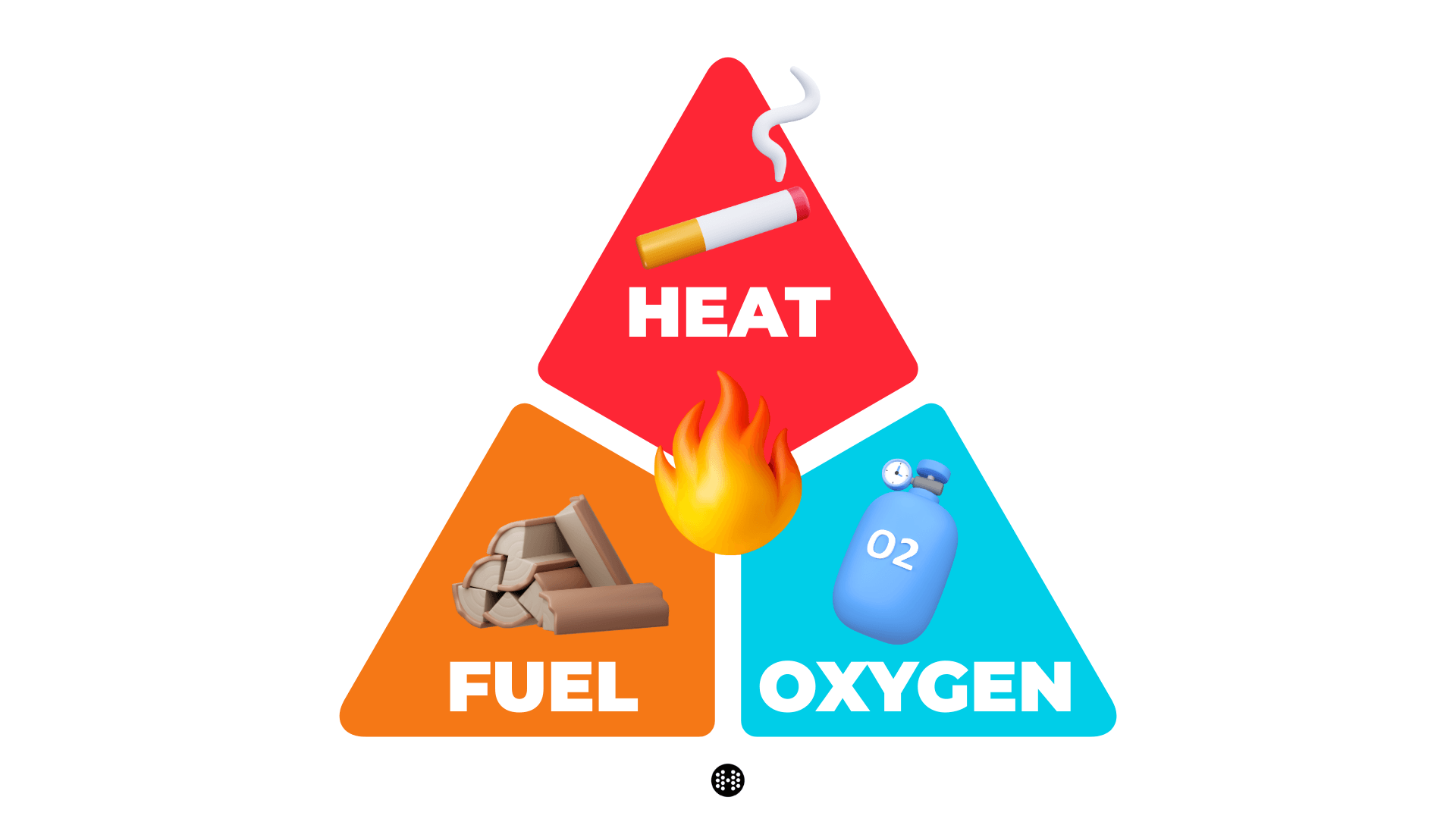
Fire needs all three elements of the fire triangle. If you control these hazards and keep them apart, you can reduce the risk of fires.
Use the fire risk assessment template to record your findings and take action to control the risks and prevent fires at work.


This article was written by Emma at HASpod. Emma has over 10 years experience in health and safety and BSc (Hons) Construction Management. She is NEBOSH qualified and Tech IOSH.
Fire Safety Course
Take our fire safety elearning course and get your certificate today.
Fire Safety CourseRecent posts like this...

The Difference Between Fire Marshal And Fire Warden Roles
In your workplace, do you need a fire marshal, a fire warden, or both? What does each role do, and what is the difference between a fire warden and a fire marshal? In this post, we examine both fire safety roles and the duties of each.
Read Post
15 Essential Hot Work Safety Tips
Hot work is a fire hazard and brings additional risks for both your workers and your site. If you need to do some hot work, like cutting, grinding or welding, stay safe with these hot work safety tips.
Read Post The 3 Elements Of The Fire Triangle Explained
Did you know that fires need three elements to burn? Heat, fuel, and oxygen are the key ingredients needed to start and maintain a fire. In this blog post, we will find out more about each element and take a look at some examples.
Read Post