22nd January, 2026
10 Weekly Fire Safety Procedures
Are you ready to take action if a fire started? Are the safety requirements of your fire risk assessment in place? Use these ten weekly fire safety procedures to help you maintain good fire protection standards. Make sure you can take quick action and escape if a fire breaks out.

The best way to protect your business from fire is to prevent a fire from happening in the first place.
Fires are devastating to businesses. They put your team, buildings, projects, and profits in danger. Many businesses never recover after a large fire.
But as much as you try to stop fires, with nearly 3,000 fires every week in the UK, you also need to know what to do if a fire starts. Early warning and protection can help workers reach safety and prevent small fires from escalating into large infernos.
A fire risk assessment is a great place to start. It's not just a legal requirement, but also a way to find fire hazards and reduce the risk of fires in your workplace.
Do you know who is responsible for the fire risk assessment in your workplace?
However, things can change over time. People can move items, leave doors open, remove signs and fire extinguishers can go missing. Maintenance and building work can change the layout or structure of areas.
Regularly carrying out fire safety procedures can help you and your team be ready to take swift action should a fire start.
Once you have completed your fire risk assessment and implemented appropriate fire safety requirements, don't forget about the risks from fire. Simple checks and updates are well worth it in the event you need to take fire action.
Use the free fire safety checklist to review key areas of fire safety in your workplace.
In this post, we will look at the procedures you should have in place to make sure you can take quick action and escape if a fire breaks out.
These 10 weekly fire safety procedures can help you maintain good fire protection standards.
1. Check your escape routes
Emergency exits are needed to make sure people can escape from fires quickly. But it's likely that these access routes are also in use for day-to-day access to your workplaces. People might not realise they are blocking an escape route when they stack some boxes while moving a delivery.
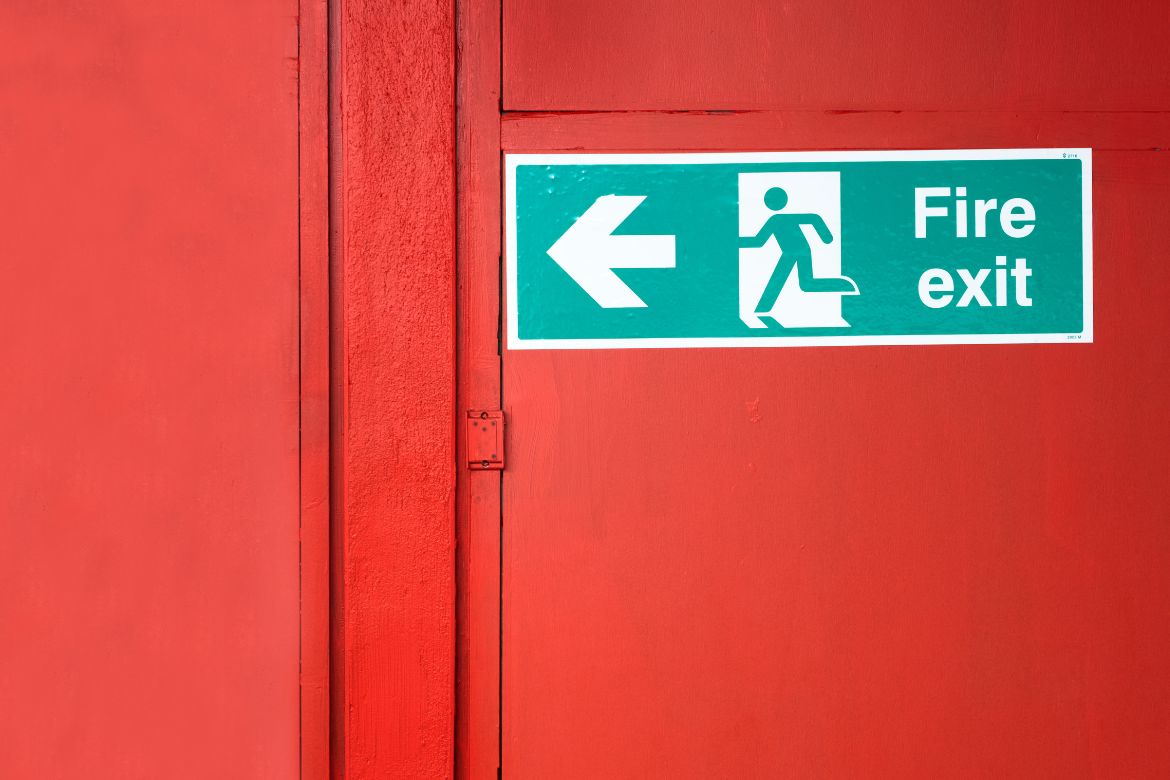
If a fire does break out, you need to ensure that all building occupants can escape to a place of safety.
Check escape routes for any obstructions or trip hazards.
2. Test your alarm
Early fire detection and warnings are an essential fire safety measure. Quick action can prevent a fire from escalating, and early warning is vital to give everyone time to escape. Your fire alarm can provide this, but only if it's working.

Check that your alarm is in good working order and can be heard throughout the building.
People also need to know what to do when they hear the alarm. See item 9 on our list.
3. Test your equipment
You will also need to supply firefighting equipment in your workplace. The equipment could include fire extinguishers, sprinklers, fire blankets, etc.
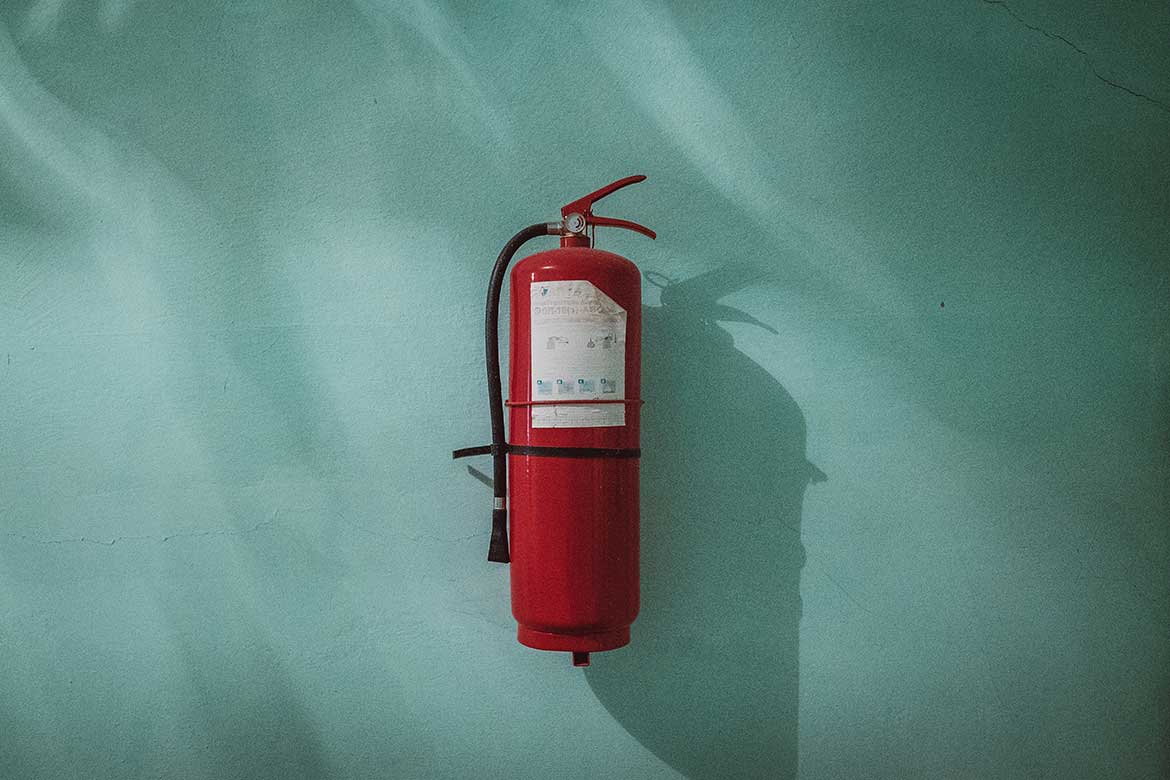
But what use is firefighting equipment if it doesn't work? In an emergency, you need to know that you can rely on the safety equipment provided.
In addition to annual servicing, visually check equipment each week for any obvious signs of use or damage.
4. Check access to extinguishers
Could you find an extinguisher if you needed one? Are they accessible? Yes, extinguishers take up room in areas you could use for that filing cabinet, but the filing cabinet won’t be much use to you if a fire breaks out. And while you don't use extinguishers every day (and hopefully not ever), if you do need them, you'll be glad they are there.
Make sure that your extinguishers are visible and easily accessible so they are on hand, should you need them.
5. Check your doors
Imagine relief turning to despair if you reach a final fire exit door only to discover it's blocked or locked. Your weekly fire safety checks can help ensure this never happens to you or someone you know.
Can all final exit doors be opened easily and immediately if there is an emergency? Make sure that fire escape doors swing in the direction of the escape.
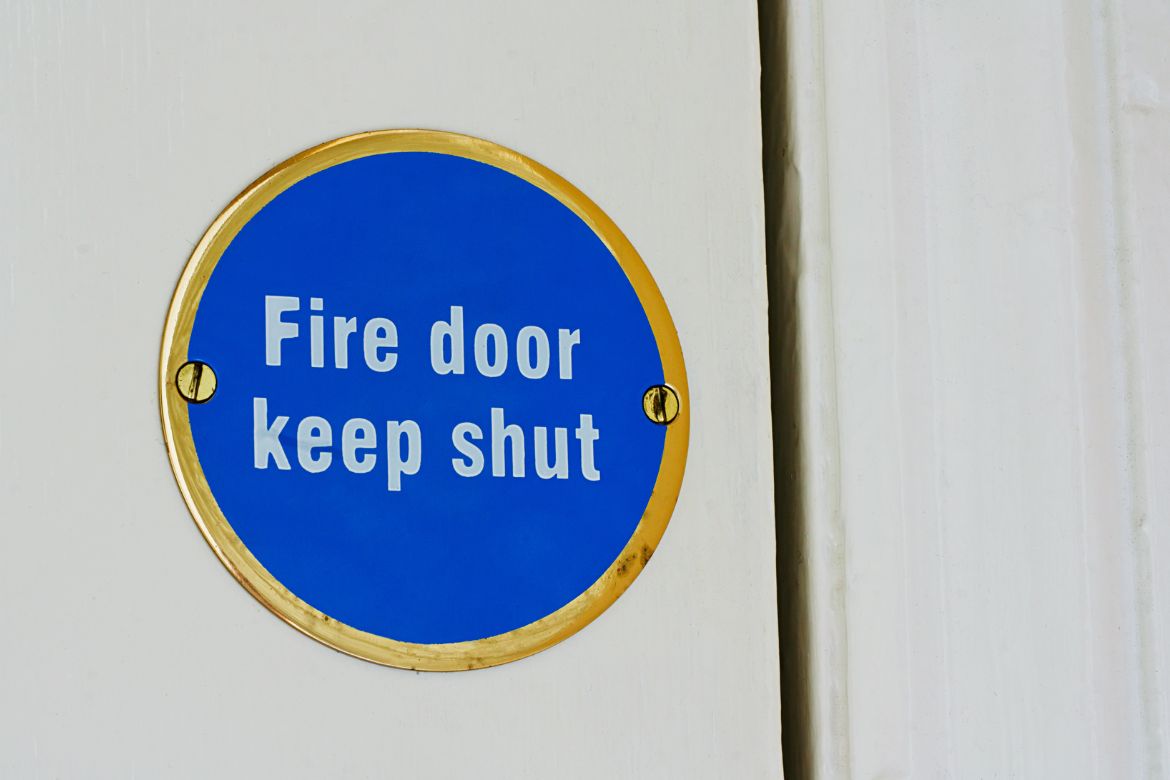
Speaking of fire doors, they only work to contain a fire if they are closed. You should also check that fire doors are not left wedged open for any reason.
6. Light up your routes
Are your escape routes well-lit up? Will people be able to see where they are going if they need to escape? Natural, artificial, and emergency escape lighting should all be considered, depending on the time of day the building is in use.
Weekly checks can test that the lighting is in good working order. People will need to see clearly to find a way to safety.
7. Notice your signs
Signage and fire notices are essential for having a clear and efficient escape strategy.

You might know the way out, but if your building is used by visitors, or even if you have new staff, do they? Put yourself in the shoes of someone who may not be entirely familiar with the building layout. Would you be able to find your way out? Would you know where (and who) to report to?
- Do you have enough signs?
- Are the signs correct and in the right places?
- Are the signs clear?
- Can the signs be followed?
- Do any need replacing?
Keep your messages clear and simple, and keep your signs visible.
8. Survey your building
Check your building every week, because things change. You might have had builders in for some alterations, or damage may have occurred.
Keep an eye out for any holes or gaps in walls, ceilings, and floors - for example, where services such as ventilation ducts and electrical cables pass through them.
Make sure any gaps are sealed and fire stopped to prevent fire spread.
9. Drill your workers
Providing information is one thing, but the theory needs to meet practice. When the alarm goes off, what do people do? Do they follow the signs, do they find their way out?
Rick Rescorla successfully evacuated most of the 2,700 Morgan Stanley employees from the World Trade Centre South Tower because he had trained employees with surprise fire drills for many years before the attacks.
At Rescorla's insistence, all employees, including senior executives, then practiced emergency evacuations every three months.
Fire drills will help you test how effective your fire safety policy is, and allow you to make any changes needed to improve procedures. It also gives your staff a chance to learn the behaviour required should a fire occur. It's better for the first time you test your fire evacuation procedure to be a practice, rather than an actual emergency!
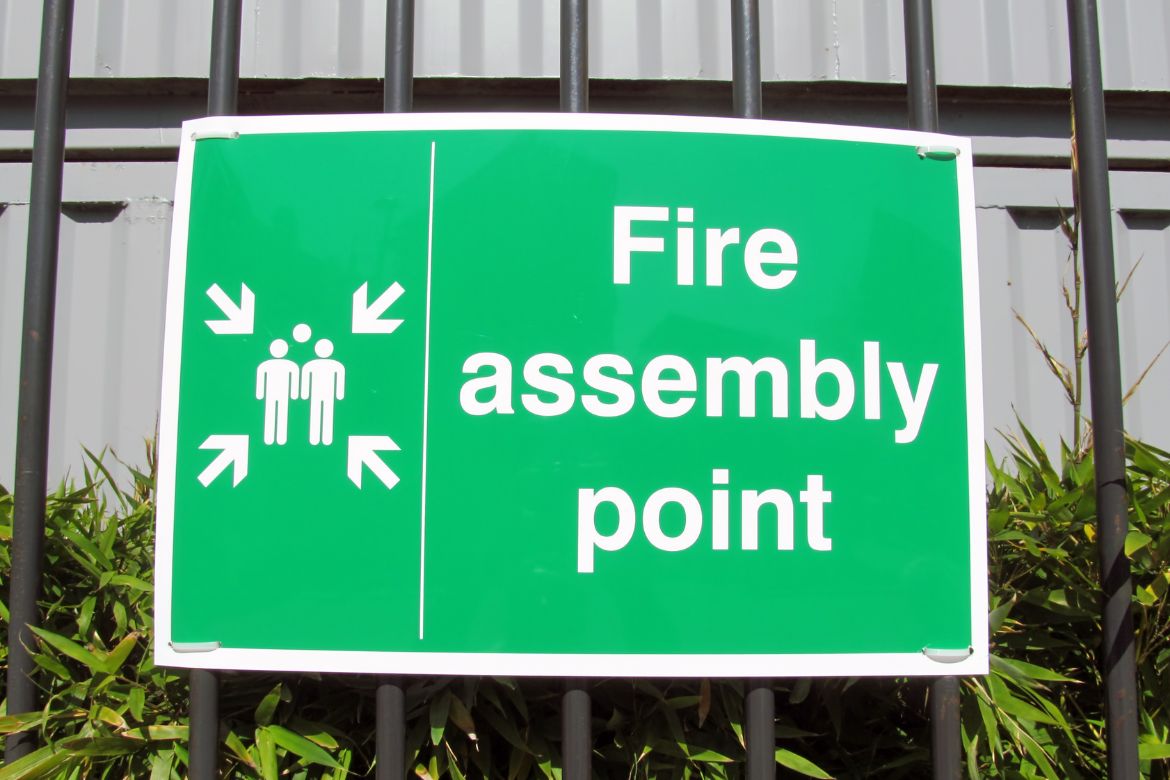
You might not need to carry out fire drills every week, but you should check when the last full rehearsal was done, and schedule the next one. You can also check if any new employees or contractors need to be brought up to speed with fire safety training.
Use the free fire drill checklist to check if your fire drills are going to plan, or if there are any improvements to make.
10. Keep a log
Record your assessment, fire safety policy, fire training, equipment maintenance, and checks. This will document your compliance with the fire regulations and also help you manage fire safety within your premises.
You can check compliance, drills, training, and schedule any further actions you need to take.
Need help getting your fire management procedures to meet current regulations? Start with our fire risk assessment template to create a professional fire risk assessment report for your premises.


This article was written by Emma at HASpod. Emma has over 10 years experience in health and safety and BSc (Hons) Construction Management. She is NEBOSH qualified and Tech IOSH.
Fire Safety Course
Take our fire safety elearning course and get your certificate today.
Fire Safety CourseRecent posts like this...

The Difference Between Fire Marshal And Fire Warden Roles
In your workplace, do you need a fire marshal, a fire warden, or both? What does each role do, and what is the difference between a fire warden and a fire marshal? In this post, we examine both fire safety roles and the duties of each.
Read Post
15 Essential Hot Work Safety Tips
Hot work is a fire hazard and brings additional risks for both your workers and your site. If you need to do some hot work, like cutting, grinding or welding, stay safe with these hot work safety tips.
Read Post
The 3 Elements Of The Fire Triangle Explained
Did you know that fires need three elements to burn? Heat, fuel, and oxygen are the key ingredients needed to start and maintain a fire. In this blog post, we will find out more about each element and take a look at some examples.
Read Post