9th July, 2026
The 9 COSHH Hazard Symbols (Meanings And What They Look Like)
If you are working with chemicals that are hazardous to health or completing COSHH risk assessments, you should be aware of the symbols that are included on the packaging of substances and what they mean. These symbols give you a good indication of the main hazards associated with the substance.

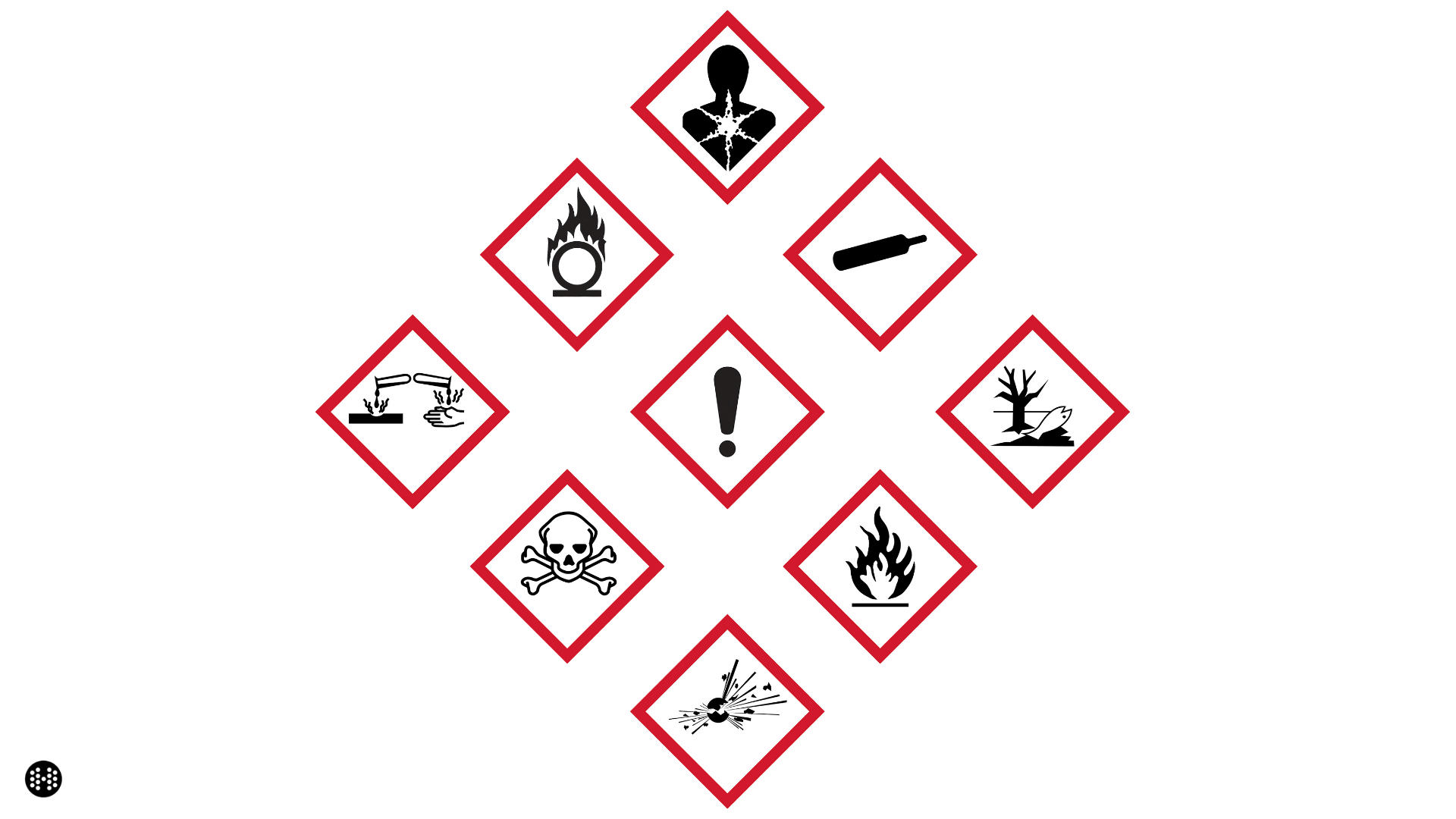
Have you ever seen those red and black diamond symbols on bottles and tins like paint and cleaning substances, and wondered what they mean?
They look like this:
Or maybe you remember the square orange symbols, or some have some old containers displaying them?
They look like this:


The square orange and black COSHH symbols were around for years under the Chemicals (Hazard Information and Packaging for Supply) Regulations - known as CHIP. But they actually started being phased out back in 2009!
The diamond red and black COSHH symbols are newer and were introduced by the European Regulation on the classification, labelling and packaging of substances and mixtures (known as the CLP Regulations).
The orange symbols were replaced by the red and black diamond symbols, but if you didn't know the old symbols well, the new symbols might just have added to the confusion!
What do both groups of symbols have in common?
Orange or red. Square or diamond. They are both hazard symbols given to chemicals and substances that are hazardous to health.
Both the CHIP and the CLP Regulations ensure that the hazards are clearly communicated to workers and consumers, on packaging, labelling and datasheets.
Both sets of COSHH symbols were around together for a while. However, the orange symbols were gradually phased out between 2009 and 2017. And the red diamond symbols officially replaced the orange symbols on the 1st of June 2017.
The new diamond red and black symbols are what you now need to know about, and we are going to cover them in this post.
 Explosives
  Flammable
  Oxidising
  Gas under pressure
  Corrosive
  Toxic
Toxic 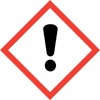 Health hazards
  Serious health hazards
 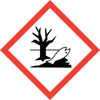 Dangerous for the environment
 These names are not the official names given to each symbol. In fact, the CLP regulations give each symbol a range of meanings. So some categories might be known by a couple of names. For example, 'health hazard' is sometimes referred to as 'caution', and 'serious health hazards' are also known as 'long-term health hazards'.
Some of the names are fairly self-explanatory, but some are a little more confusing.
While there are 9 COSHH symbols officially in use today (the current red and black ones), the orange pictograms might still be present in older stock and past material safety data sheets (MSDS). So really, there are 18 COSHH symbols. To clear things up, we will also look at which orange symbols have been replaced (and removed).
Because it's not just the colour of the COSHH symbols that changed. New meanings were introduced, and some symbols were phased out. If you want to know what changed since the old square orange and black symbols, we will look at that too.
You'll find these symbols placed on the packaging of hazardous substances and safety data sheets. COSHH symbols are there to tell you about the type of hazard a substance presents.
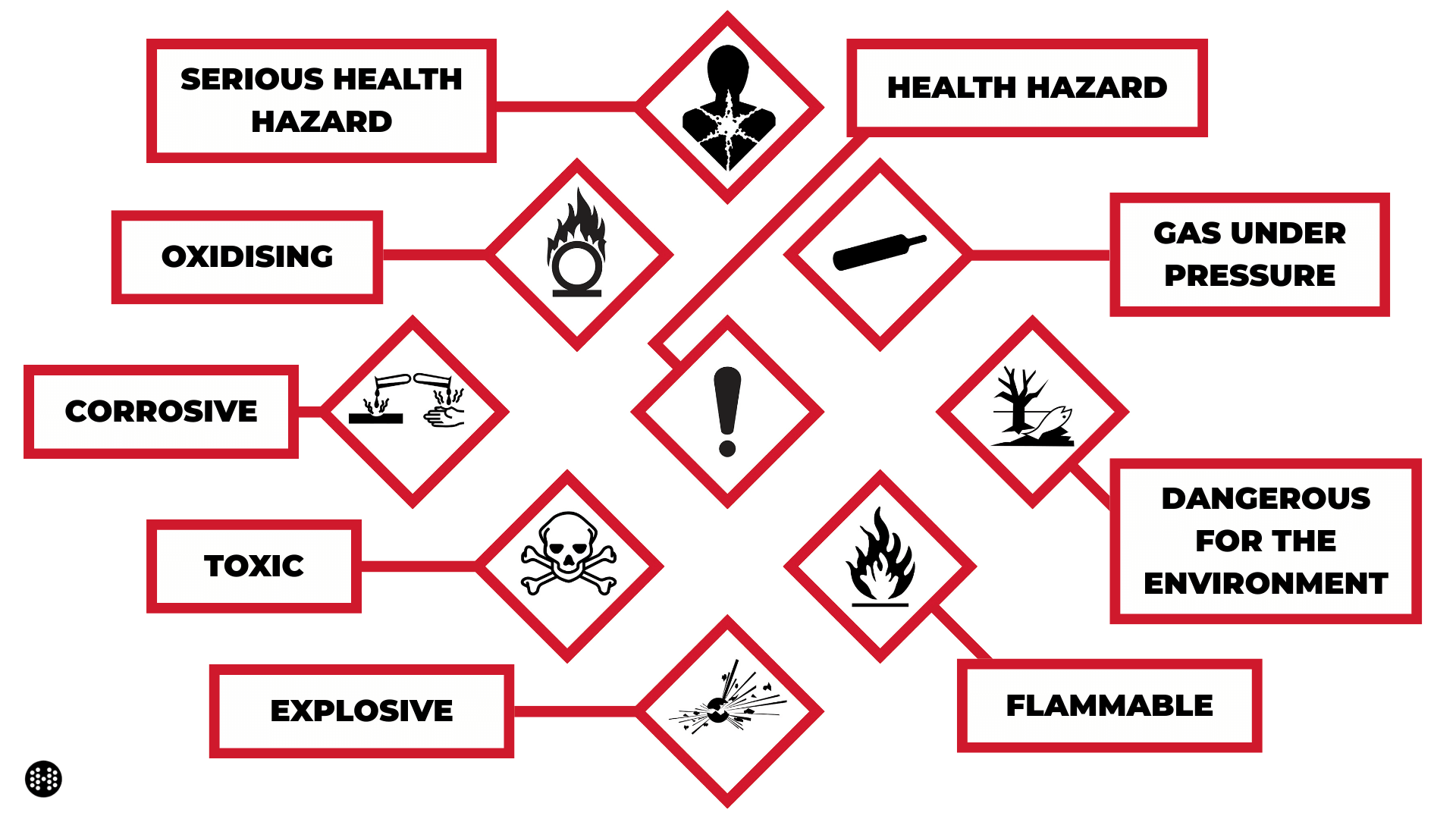
The Control of Substances Hazardous to Health (COSHH) regulations apply to many substances that are not classified as dangerous under the CLP Regulations. If a substance is hazardous to health, you must manage it under COSHH, whether it has a CLP hazard symbol or not, but these symbols tell you about the hazardous effects of the substance, to help you make decisions about controlling the risks.
A hazardous substance may be classified as one or more of the following 9 types:
- Explosives
- Flammable
- Oxidising
- Gas under pressure
- Corrosive
- Toxic
- Health hazards
- Serious health hazards
- Dangerous for the environment
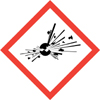
Explosives
These are chemicals and preparations that explode, for example, fireworks and ammunition. The symbol is a pictogram of an exploding bomb, and it's a straight replacement for the previous explosive classification.
Meanings:
- Unstable explosive
- Explosive; mass explosion hazard.
- Explosive; severe projection hazard.
- Explosive; fire, blast or projection hazard.
- May mass explode in fire.
Replaces:
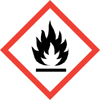
Flammable
This symbol is for chemicals that may catch fire in contact with air, only need brief contact with an ignition source, have a very low flash point, and substances that produce flammable gases. Examples include petrol, adhesives, and solvents.
This symbol replaces the old classifications of highly flammable and extremely flammable. The symbol is a flame.
Meanings:
- Extremely flammable gas.
- Flammable gas.
- Extremely flammable aerosol.
- Flammable aerosol.
- Highly flammable liquid and vapour.
- Flammable liquid and vapour.
- Flammable solid.
Replaces:
Oxidising
Oxidising is a classification for chemicals and preparations that react exothermically with other chemicals. The symbol is a flame over a circle. It replaces the previous symbol for oxidising and is usually found on bleach, oxygen for medical purposes, etc.
Meanings:
- May cause or intensify fire; oxidiser.
- May cause fire or explosion; strong oxidiser.
Replaces:
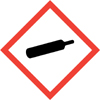
Gas under pressure
The symbol of a gas cylinder means gas under pressure. This is a new symbol that wasn't represented under the old classification system, so there is no previous orange symbol. It's usually found when gas is stored under pressure, such as in gas containers.
Meanings:
- Contains gas under pressure - may explode if heated.
- Contains refrigerated gas - may cause cryogenic burns or injury.
Corrosive
Corrosive is a classification for chemicals that may destroy living tissue on contact. The pictogram shows corrosion of material and skin. This matches the previous symbol for corrosion and is usually found on drain cleaners, acetic acid, hydrochloric acid, etc.
Meanings:
- May be corrosive to metals.
- Causes severe skin burns and eye damage.
Replaces:
Toxic
Toxic is for chemicals that cause damage to health at low and very low levels, for example, pesticides, biocides, and methanol. The symbol is a skull and crossbones and replaces the old classifications of toxic and very toxic.
Meanings:
- Fatal if swallowed.
- Fatal in contact with skin.
- Fatal if inhaled.
- Toxic: if swallowed.
- Toxic in contact with skin.
- Toxic if inhaled.
Replaces:
Health Hazard
This symbol is for chemicals that may cause damage to health and is also known to mean caution. Examples include cleaning solutions and coolant fluid. The symbol is an exclamation mark.
This classification is the closest replacement to the previous harmful and irritant classifications.
Meanings:
- May cause respiratory irritation.
- May cause drowsiness or dizziness.
- May cause an allergic skin reaction.
- Causes serious eye irritation.
- Causes skin irritation.
- Harmful if swallowed.
- Harmful in contact with skin.
- Harmful if inhaled.
- Harms public health and the environment by destroying ozone in the upper atmosphere.
Replaces:
Serious Health Hazard
This classification is also known to mean long-term health hazards. The symbol shows a person with white marks across their chest. These are chemicals that can cause serious and long-term damage to health, such as turpentine and petrol.
Meanings:
- May be fatal if swallowed and enters the airways.
- Causes damage to organs.
- May cause damage to organs.
- May damage fertility or the unborn child.
- Suspected of damaging fertility or the unborn child.
- May cause cancer.
- Suspected of causing cancer.
- May cause genetic defects.
- Suspected of causing genetic defects.
- May cause allergy or asthma symptoms or breathing difficulties if inhaled.
Replaces:
Dangerous for the environment
This classification is given to chemicals or substances that may present an immediate or delayed danger to one or more components of the environment. The symbol is a dead tree and fish, and the symbol is usually found on pesticides, biocides, petrol, turpentine, etc.
Meanings:
- Very toxic to aquatic life with long-lasting effects.
- Toxic to aquatic life with long-lasting effects.
Replaces:
Want to help make your team aware of the COSHH symbols and meanings? Download the free COSHH symbols PDF download today.
Because COSHH assessments are a legal requirement, if you are working with chemicals that are hazardous to health and completing the necessary COSHH risk assessments, you should be aware of these symbols.
These COSHH symbols give you a good indication of the main dangers and risks associated with the substance. They are included on the packaging of substances to guide you as to the type of hazard it is.
Once you have identified the type of hazardous substance used, you can start assessing the risks to those using the substance. This will help you to pick the COSHH control measures you need to minimise those risks to a safe level.
Don't know where to start? Read 9 ways to comply with COSHH or browse through our COSHH assessment templates.


This article was written by Emma at HASpod. Emma has over 10 years experience in health and safety and BSc (Hons) Construction Management. She is NEBOSH qualified and Tech IOSH.
Need to know COSHH?
Take our COSHH awareness elearning course and get your certificate today.
COSHH CourseRecent posts like this...

How To Complete The COSHH Assessment Form
COSHH assessments are health and safety documents needed in nearly every type of business. Carrying out this assessment is a legal requirement, so getting it right matters. There are several steps to completing a COSHH assessment form. Follow these steps in order, as each stage leads to the next.
Read Post
What Substances Does COSHH Cover?
The COSHH regulations cover substances that are hazardous to health. If a substance, in any form, could cause harm to a person, it needs to be assessed under the COSHH regulations. The substances covered by COSHH include chemicals, mixtures, dust, gases, fumes and biological agents.
Read Post The 9 COSHH Hazard Symbols (Meanings And What They Look Like)
If you are working with chemicals that are hazardous to health or completing COSHH risk assessments, you should be aware of the symbols that are included on the packaging of substances and what they mean. These symbols give you a good indication of the main hazards associated with the substance.
Read Post